RMR Site Developments
Building Tomorrow's Communities Today
Building Tomorrow's Communities Today
Over the last few decades, the construction industry has put a lot of effort into improving health and safety. And I think that's brilliant, obviously.
We've got regulations like the Health and Safety at Work Act and the CDM Regulations (more on those in a minute). They're meant to point everyone in the right direction. But here's the thing – just ticking boxes and meeting minimum requirements doesn't really cut it anymore.
At RMR Developments, we take this stuff seriously. Perhaps more than we need to, but that's intentional.
Managing health and safety properly during construction means everyone has to play their part. Designers, contractors, health and safety professionals, even clients themselves. It's not just about having a plan – it's about actually sticking to it.
We provide knowledge and support throughout every project stage. The relevant laws get followed, always. And we expect everyone involved to commit fully to that. From the people on site right up to senior management.
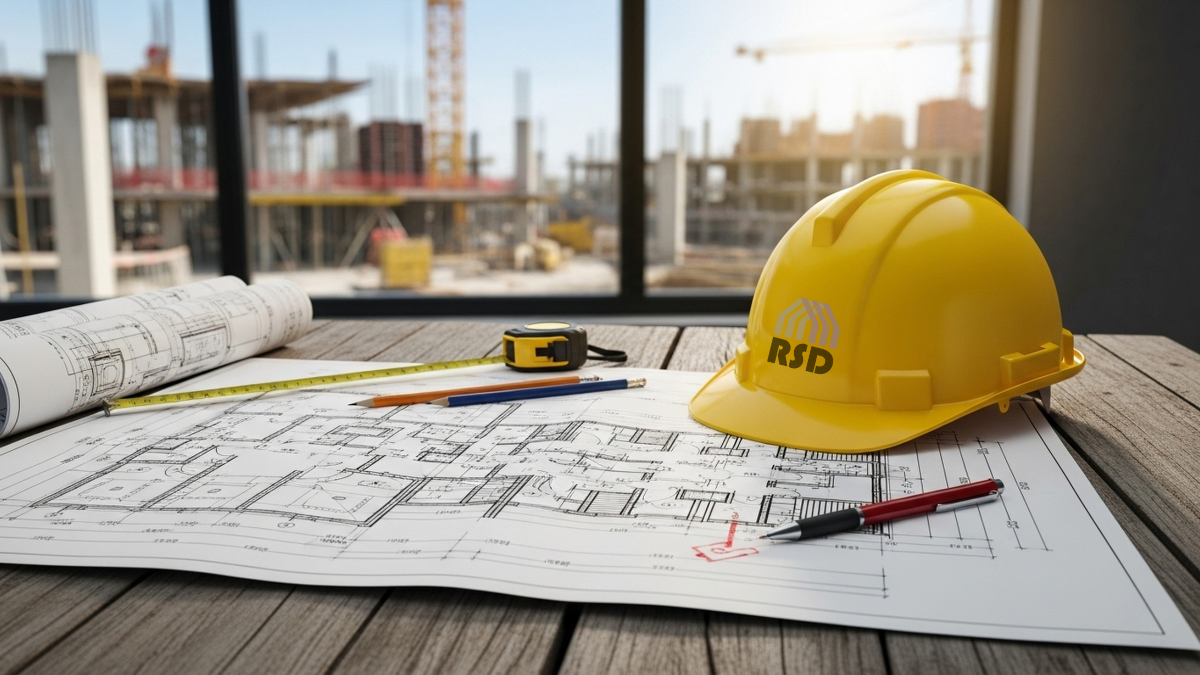
The Health and Safety Executive brought in the Construction (Design and Management) Regulations 2015. The CDM regulations, as they're usually called.
Their purpose is straightforward enough. Promote and protect health and safety in construction. They set out specific roles and responsibilities that everyone on a construction site must carry out by law.
The regulations aim to do three main things:
Improve and manage health and safety on-site. Aid planning and management of construction projects. And reduce unnecessary bureaucracy (which is always welcome, I reckon).
Duty holders are expected to use these principles to identify potential health and safety issues before they become actual problems.
Prevention is the key. That's probably obvious, but it's worth saying.
Here are the general principles that should guide any construction project:
Avoid risks where you can. Assess the risks you can't avoid. Identify where the risk comes from and manage it properly.
Adapt the work to the individual. This means thinking about workplace design, equipment choices, working methods. The goal is to reduce monotonous work and its impact on health.
Keep up with technical progress. Replace dangerous materials when safer alternatives exist.
Develop an overall prevention policy that covers technology, work organisation, working conditions, social relationships. All of it.
Prioritise collective protective measures over individual ones. And make sure employees get appropriate instruction.
We believe every construction company has a moral obligation here. Provide a safe environment for anyone who enters the buildings they manage. Protect the health and wellbeing of everyone working on a project.
By monitoring performance against ambitious targets, we aim to lead the industry in this area. That's best achieved through continual improvement in health and safety management. Both internally and throughout our supply chain.
Our health and safety management system gets reviewed regularly against the highest industry standards. Only through extensive risk assessments across each area of the company can we keep improving.
This includes training and educating all staff in their individual responsibilities.
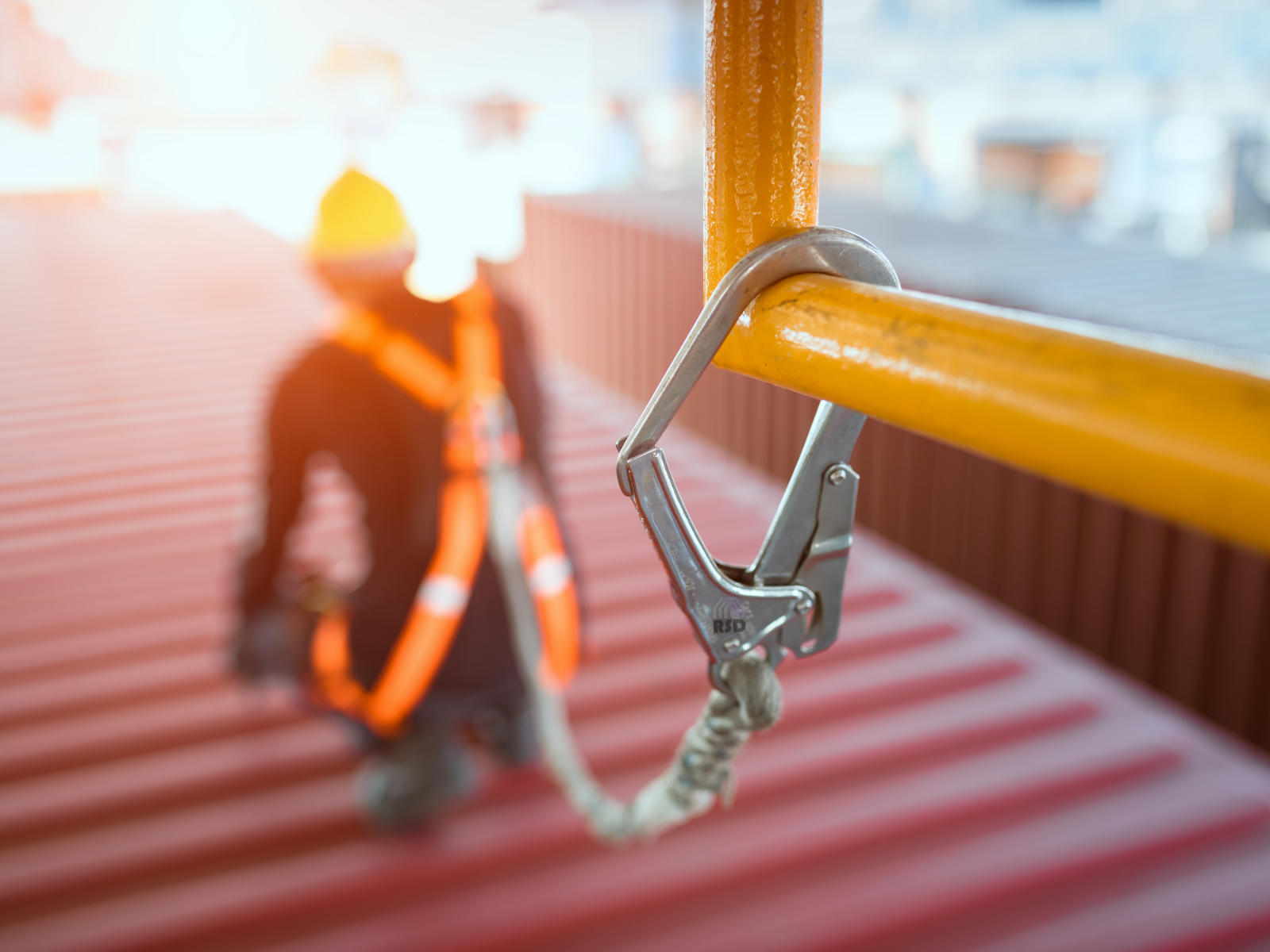
Under the CDM regulations, almost everyone working on a project has legal health and safety responsibilities.
Client – Someone who has construction work carried out on their behalf. They must provide suitable health and safety management on the project.
Designer – Those who prepare or revise designs, drawings and specifications. They need to reduce, control or limit foreseeable risks in a completed structure or during construction. If there's more than one designer, the 'principal designer' manages health and safety issues throughout the design phase.
Contractor – An individual or business overseeing construction work. They eliminate, reduce or control foreseeable risks that may arise during construction or while the completed structure is being used or maintained. With multiple contractors, a 'principal contractor' typically gets appointed to handle health and safety during the construction phase.
Worker – An individual employed to carry out building work, alterations, maintenance or demolitions. They co-operate with other duty holders and report anything they see that might affect or endanger health and safety.
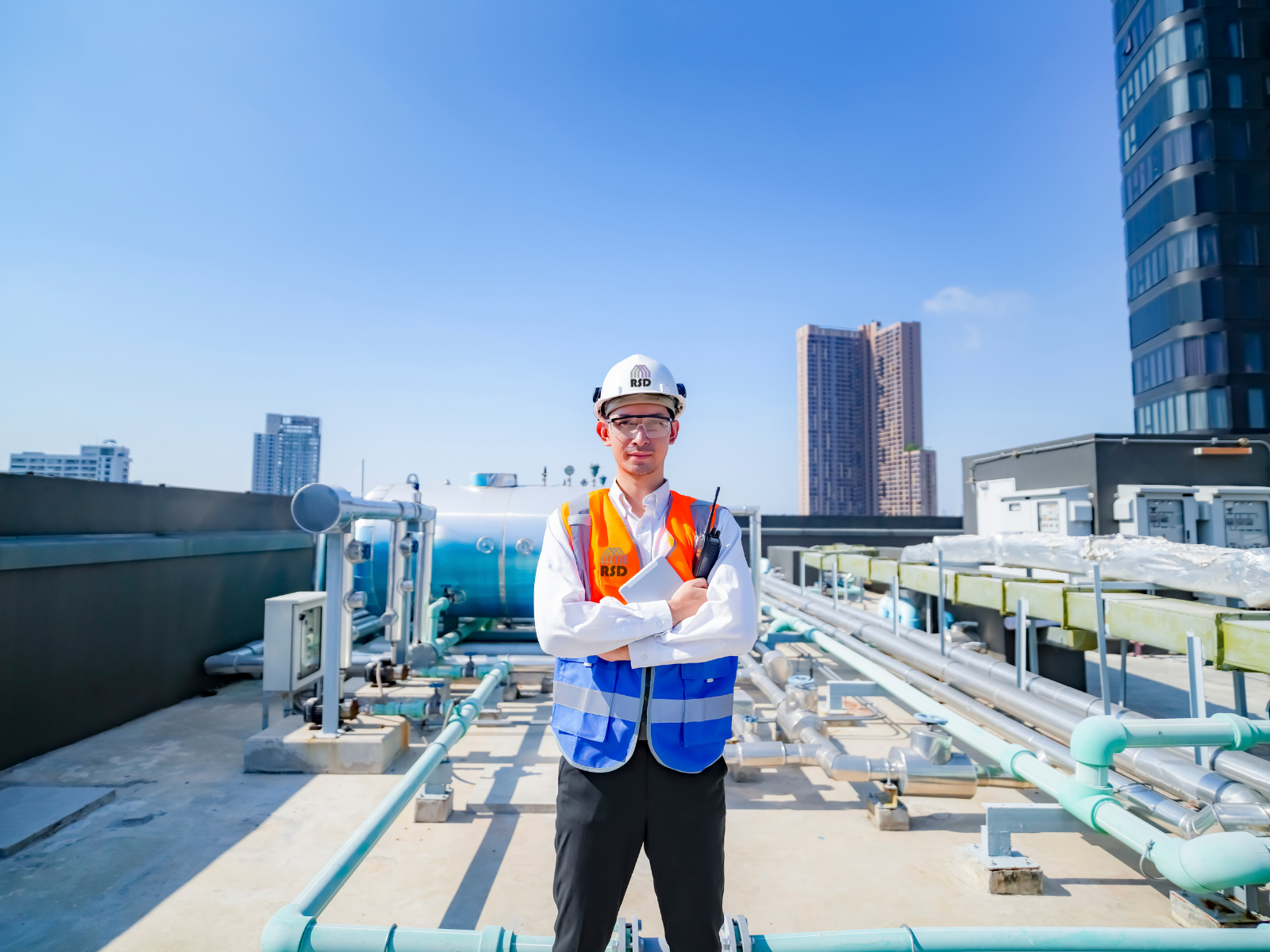
At RMR Developments, we know a project succeeds when the team is engaged and invested. When information gets communicated clearly and regularly. When there's clear and proactive support from all relevant parties.
Only through a collaborative approach to health and safety can we achieve the level of coordination, cooperation and communication we demand in all our projects.
It's not just about compliance. It's about creating a culture where everyone looks out for each other. Where safety isn't an afterthought – it's built into every decision from day one.
Want to talk about health and safety for your construction project? Get in touch for a free consultation.
Get In Touch